

What to Consider When Choosing a Quality Leather Sofa in Sydney
Choosing the right leather sofa involves understanding the quality of the material and the standards of construction that can withstand Sydney’s climate and lifestyle. A high-quality sofa is a significant investment that should provide comfort, durability, and visual appeal for many years.
Factors Sydney Locals Consider When Buying Leather Sofas
When looking for leather sofas Sydney retailers offer, locals typically focus on several important factors:
- Type of leather: This affects how the sofa ages. Genuine leather options develop character over time, while synthetic alternatives may deteriorate.
- Frame construction: The structural integrity of the sofa is influenced by how its frame is built. Kiln-dried hardwood frames are better at resisting warping caused by humidity changes in Sydney compared to cheaper options.
- Cushion construction: The comfort level of the sofa depends on how its cushions are made. High-density foam cores wrapped in feathers provide optimal comfort.
- Household needs: Families with children or pets may benefit from using more durable corrected grain leather.
- Breathability features: Mesh bottoms on cushions can help prevent moisture buildup, which is important in humid climates like Sydney.
Expert Tips for Buying Leather Sofas
Here are some expert tips that Sydney locals swear by when buying leather sofas:
- Inspect the leather grade: Before making a purchase, make sure to check the grade of leather being used. Look for aniline, semi-aniline, or top-grain varieties instead of split or bonded ones.
- Test the frame stability: Apply pressure to different parts of the sofa’s frame and listen for any wobbling or creaking sounds to ensure its stability.
- Evaluate cushion construction: Check if the cushions have high-density foam cores with feather wraps for maximum comfort.
- Consider your household needs: If you have children or pets in your home, it’s advisable to choose corrected grain leather as it tends to be more durable.
- Verify breathability features: Look for mesh bottoms on the cushions as they promote airflow and prevent moisture buildup.
Understanding the Leather Market in Sydney
The market in Sydney has a wide range of options available at various price points. This makes it crucial for buyers to differentiate between genuine quality and marketing claims.
Reputable retailers are transparent about their sources of leather, tanning processes, and methods of construction. It’s a good idea to request material samples so you can personally examine the texture, grain patterns, and flexibility before making a decision.
Considering Climate Factors in Sydney
Climate considerations play a significant role when it comes to choosing furniture for homes in Sydney.
Leather furniture that will be exposed to coastal humidity or intense sunlight coming through large windows requires specific protective treatments.
Semi-aniline leather is a great option as it offers natural beauty while also providing some resistance against environmental stressors commonly found in Sydney residences.
Which Types of Leather Are Most Suitable for Sofas?
Four distinct leather types dominate the sofa market, each offering unique qualities that affect appearance, durability, and price. Understanding these differences helps buyers match their lifestyle needs with the right leather grade.
1. Aniline Leather
Aniline leather represents the pinnacle of natural leather craftsmanship. This premium material undergoes minimal processing, preserving the hide’s authentic texture and natural markings. The absence of protective coatings or pigments allows the leather to breathe freely and develop a rich patina over years of use.
The softness and suppleness of aniline leather create an unmatched tactile experience. Each piece displays unique characteristics—natural scars, wrinkles, and color variations that tell the hide’s story. This authenticity comes with heightened sensitivity to sunlight, spills, and everyday wear, making it ideal for formal living spaces with controlled traffic.
2. Semi-Aniline Leather
Semi-aniline leather strikes a practical balance between natural beauty and functional protection. A thin wax layer shields the surface while maintaining the leather’s soft feel and visible grain patterns. This protective coating resists common household stains and prevents premature fading from Sydney’s intense sunlight.
Sydney families favor this leather type for its resilience in active households. The material retains much of aniline leather’s luxurious appearance while offering enhanced durability for daily use. Light surface treatments preserve the leather’s breathability and natural character without sacrificing practicality.
3. Corrected Grain Leather
Corrected grain leather undergoes extensive processing to achieve uniform appearance and maximum durability. Manufacturers buff away surface imperfections before applying pigmented coatings that create consistent color and texture across the entire hide. This treatment produces a more affordable option with excellent resistance to scratches and stains.
The protective pigment layer simplifies maintenance routines significantly. Spills wipe away easily without penetrating the leather’s surface, making this type particularly suitable for homes with children or pets. The trade-off involves reduced breathability and a less natural feel compared to aniline varieties.
4. Split Leather
Split leather comes from the fibrous lower layers of the hide after the top grain is removed. Manufacturers often emboss patterns onto
How Can Buyers Ensure They Are Getting Authentic Leather?
Examine the Surface Texture
Authentic leather identification starts with examining the surface texture closely. Real leather displays natural grain patterns that appear irregular and uneven, with tiny pores visible across the surface. These imperfections tell the story of the animal’s life, including subtle scars, wrinkles, and variations in texture that no synthetic material can perfectly replicate.
Use Your Sense of Smell
The smell test provides immediate clues when distinguishing real vs faux leather. Genuine leather emits a distinctive, rich, earthy aroma that’s unmistakable once you’ve experienced it. Synthetic alternatives typically smell like plastic or chemicals, particularly when new. If a sofa has no scent or smells artificial, it’s likely not authentic leather.
Inspect Visually
Visual inspection reveals critical differences:
- Surface consistency: Genuine leather shows natural variation in grain patterns, while faux leather displays repetitive, uniform patterns
- Edge examination: Cut edges of real leather appear rough and fibrous; synthetic materials show a fabric backing or smooth plastic edge
- Pore structure: Real leather has randomly distributed pores of varying sizes; fake leather features uniform, stamped pores in regular patterns
Perform the Water Absorption Test
The water absorption test offers a practical method for verification. Place a small water droplet on an inconspicuous area of the sofa. Authentic leather absorbs moisture gradually, darkening slightly at the contact point. Faux leather repels water, causing droplets to bead up and roll off the surface without absorption.
Check Temperature Response
Temperature response distinguishes genuine from synthetic materials. Real leather feels warm to the touch and quickly adapts to room temperature, creating a comfortable seating experience. Synthetic alternatives feel cool initially and take longer to warm up, often feeling clammy or sticky in humid conditions.
Verify Physical Characteristics
Physical characteristics to verify:
- Flexibility: Genuine leather stretches slightly when pulled and returns to its original shape; faux leather feels stiff or tears easily
- Color depth: Real leather shows subtle color variations and depth; synthetic versions appear flat with uniform coloring
- Wrinkle patterns: When pressed, authentic leather creates natural-looking wrinkles that smooth out; fake leather shows rigid creases
Consider Price Points
Price points serve as reliable indicators when shopping in Sydney’s furniture market. Authentic leather sofas command premium prices reflecting the quality of materials and craftsmanship involved in their production.
Why Is Frame Quality an Important Factor When Buying a Leather Sofa?
The quality of the sofa frame determines whether your investment lasts decades or disappoints within years. The frame serves as the skeleton supporting every component—from cushions to leather upholstery—and directly influences both structural integrity and daily comfort.
A poorly constructed frame leads to sagging seats, creaking noises, and eventual collapse regardless of premium leather quality. Sydney’s humidity fluctuations make frame material selection particularly critical, as certain woods warp or crack under moisture stress.
What Frame Materials Deliver Long-Term Durability?
Kiln-dried hardwood frames represent the gold standard for leather sofas. This processing method removes excess moisture, creating timber that resists warping, splitting, and pest infestation. Kiln-dried pine offers excellent value while maintaining structural reliability across Sydney’s climate variations.
Hardwoods like oak, ash, or beech provide superior strength but increase cost. These dense materials support heavier weight loads and withstand decades of use without compromising stability. Engineered wood products or particleboard frames should raise immediate concerns—these materials deteriorate rapidly and cannot support quality leather properly.
How Does Frame Construction Method Affect Performance?
Corner-blocked frames with doweled and glued joints create unshakeable stability. This construction technique distributes weight evenly across multiple connection points, preventing the wobbling that plagues cheaper alternatives. Metal brackets reinforcing corners add extra insurance against structural failure.
Screwed-only joints loosen over time as wood naturally contracts and expands. The constant stress from sitting and standing gradually weakens these connections, leading to squeaks and eventual separation. Quality manufacturers combine multiple joining methods for redundant strength.
Which Frame Features Signal Superior Craftsmanship?
Look for frames featuring:
- Eight-way hand-tied springs that provide responsive support and maintain shape for years
- Sinuous (no-sag) springs running front-to-back for consistent cushion support
- Cross-bracing between legs preventing lateral movement
- Reinforced stress points at armrests and seat edges where pressure concentrates
- Solid wood legs attached directly to the frame rather than
What Are the Best Leather Sofa Colors for Sydney Homes?
When it comes to choosing a leather sofa color that will stand the test of time, there are a few classic options that consistently appeal to Sydney locals. These colors not only look great but also work well with various interior styles, making them versatile choices for any home.
1. Tan Leather: Warmth and Sophistication
Tan leather sofas bring warmth and sophistication to living spaces. Over time, they develop a rich patina that enhances their character, making each piece unique. This shade complements both light and dark wood tones, making it particularly adaptable for Sydney homes where natural materials feature prominently.
- Honey-toned variations of tan leather suit spaces with abundant natural light.
- Deeper caramel shades anchor rooms with cooler color palettes.
2. Chocolate Brown Leather: Depth and Inviting Atmosphere
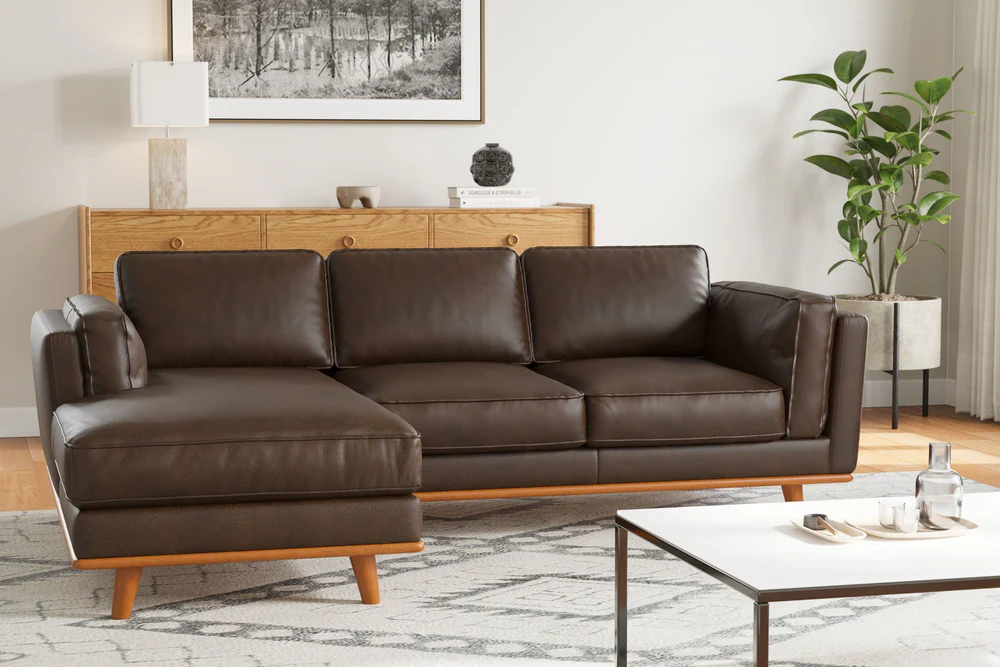
Chocolate brown leather offers depth without the stark contrast of black. It creates an inviting atmosphere that feels both luxurious and lived-in. Sydney buyers appreciate this shade for its ability to hide minor wear marks while maintaining visual interest.
- Chocolate brown pairs exceptionally well with neutral walls.
- Metallic accents and jewel-toned cushions are popular choices among locals to refresh their spaces seasonally.
3. Black Leather: Bold Sophistication
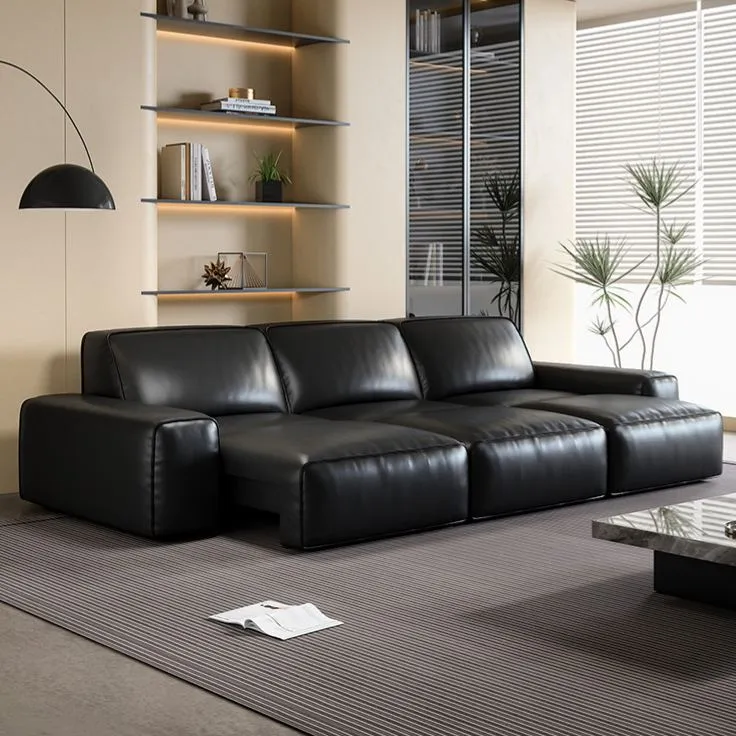
Black leather sofas deliver bold sophistication and work particularly well in contemporary Sydney apartments where clean lines dominate. This shade creates striking contrast against white walls and light timber flooring—a combination frequently seen in modern Australian homes.
- Black leather maintains its appearance with minimal visible aging.
- It is practical for households with children or pets.
4. Cream and Off-White Leather: Airy Elegance
Cream and off-white leather introduces an airy elegance that resonates with Sydney’s coastal lifestyle and preference for bright, open interiors. While requiring more attentive maintenance than darker shades, these lighter tones reflect natural light beautifully and create the illusion of spaciousness in compact urban dwellings.
- Semi-aniline leather in cream shades offers better stain resistance than pure aniline options.
- It retains the soft, natural aesthetic that Sydney buyers desire.
These classic sofa colors not only enhance the overall look of a room but also have practical benefits. They maintain resale value and adapt to evolving décor preferences without requiring complete room redesigns. Additionally, Sydney’s climate—with its bright sunshine and coastal influences—makes these neutral leather tones particularly practical as they don’t fade as noticeably as more vibrant colors.
When selecting from these options, it’s essential to consider factors such as your home’s existing decor, personal style preferences, and even the level of maintenance you’re willing to undertake. For instance, how to choose leather furniture can provide further insight into making an informed decision about your leather sofa purchase.
How Can Buyers Evaluate the Comfort Level of a Leather Sofa Before Making a Purchase?
The best way to assess comfortable leather sofas is through hands-on testing that mimics actual daily use. Sit on the sofa for at least 10-15 minutes in different positions—lounging, sitting upright, and leaning back—to gauge whether the cushioning provides adequate support without feeling too firm or too soft.
Understanding Foam Density
Quality foam density makes a significant difference in long-term comfort. Press down firmly on the seat cushions and observe how quickly they spring back. High-resilience foam (HR foam) with a density of 35kg/m³ or higher maintains its shape and support for years, while lower-density foam compresses permanently within months. The cushions should feel supportive yet yielding, not rock-hard or overly squishy.
The Role of Feather Wrap Fillings
Feather wrap fillings add a luxurious layer of softness over the foam core. This combination creates the ideal balance:
- Foam provides structural support and prevents sagging
- Feather wrap delivers a plush, cloud-like surface feel
- The dual-layer system adapts to body contours while maintaining proper posture
Testing Seat Depth and Backrest Support
Test the seat depth by sitting all the way back against the backrest. Your feet should touch the floor comfortably without the seat edge cutting into the back of your knees. Standard depths range from 50-60cm, but taller individuals may prefer deeper seating around 65cm for optimal leg support.
Check the backrest angle and lumbar support by leaning back naturally. The cushioning should support your lower back without forcing an awkward posture. Quality leather sofas feature cushions with varying firmness levels—firmer in the seat for support, slightly softer in the back for comfort.
Inspecting Cushion Bottoms for Breathability
Examine the cushion bottoms for breathable mesh material rather than solid backing. This tightly woven mesh allows air circulation, preventing moisture buildup that can damage both the leather and internal fillings. Lift the cushions to inspect this detail, as it directly impacts the sofa’s longevity and comfort in Sydney’s humid climate.
Considering Armrest Height and Padding
Pay attention to armrest height and padding. Rest your arms naturally on them while seated—they should align comfortably with your elbows without forcing your shoulders
What Tests Can Help Assess the Durability of Leather in a Sofa?
Durability testing leather through hands-on evaluation reveals how well a sofa will withstand daily use. The stretch test provides immediate insight into leather quality—gently pull a small section of the leather between your fingers and observe how it responds.
High-quality leather springs back to its original shape quickly without leaving creases or permanent marks. If the material stays stretched, shows white stress marks, or feels stiff, it indicates lower-grade leather that will develop unsightly wrinkles and cracks within months of regular use.
Physical Inspection Methods Sydney Buyers Use
Request sample swatches from retailers to perform thorough assessments at home. These Expert Tips for Buying leather sofas sydney Locals Swear By include:
- The Pinch Test: Pinch the leather firmly and release—genuine quality leather rebounds immediately while inferior materials remain dimpled
- The Scratch Test: Lightly scratch the surface with your fingernail; top-grain leather shows minimal marking that disappears when rubbed, whereas corrected grain shows permanent scratches
- The Water Drop Test: Place a small water droplet on the surface; real leather absorbs it slowly while synthetic materials repel it or allow rapid absorption
Examining Leather Thickness and Density
Press your thumb firmly into the leather surface to gauge thickness. Premium leather measures between 1.0-1.2mm thick and resists deep impressions. Thin leather (under 0.8mm) dents easily and wears through at stress points like armrests and seat edges within two years.
Check the leather’s backside if accessible—genuine full-grain leather shows fibrous texture rather than fabric backing. Split leather or bonded alternatives display woven material or synthetic backing that compromises structural integrity.
Assessing Color Fastness and Finish Quality
Rub a damp white cloth vigorously across the leather surface for 10-15 seconds. Aniline and semi-aniline leathers may transfer slight color initially but shouldn’t leave heavy pigment stains. Excessive color transfer signals poor dye quality that will fade unevenly with sunlight exposure.
Bend the leather sample sharply at a 90° angle—the absence of cracking indicates superior finish durability while visible creasing suggests potential wear issues over time.
How Should Genuine Leather Sofas Be Maintained for Longevity?
Proper maintenance extends the life of your leather sofa by decades while preserving its luxurious appearance. Sydney’s climate demands specific care routines that protect leather from humidity, UV exposure, and everyday wear.
What Regular Cleaning Routine Works Best?
Dust your leather sofa weekly with a soft, dry microfiber cloth to prevent dirt buildup in the grain. For deeper cleaning, use a barely damp cloth with pH-neutral leather cleaner every 3-6 months, wiping in gentle circular motions. Never saturate the leather or use harsh household cleaners, which strip natural oils and cause cracking.
How Often Should Leather Be Conditioned?
Apply a quality leather conditioner every 6-12 months to replenish moisture and maintain suppleness. Sydney’s dry air-conditioned interiors can dehydrate leather faster than expected. Test conditioner on an inconspicuous area first, then apply sparingly with a soft cloth, allowing it to absorb for 20 minutes before buffing away excess.
What Protection Does Leather Need From Sunlight?
Position your sofa away from direct sunlight or use UV-filtering window treatments to prevent fading and drying. Sydney’s intense sun can bleach leather within months, particularly lighter colors like cream and tan. Here are some tips to avoid sun-damaged leather. Rotate cushions regularly to ensure even aging across all surfaces.
How Should Spills Be Handled Immediately?
Blot liquid spills instantly with an absorbent cloth—never rub, which pushes moisture deeper into the leather. For grease stains, sprinkle cornstarch or talcum powder to absorb oil, leaving it overnight before brushing away. Water-based spills typically dry without staining if addressed quickly.
What Temperature and Humidity Levels Are Ideal?
Maintain indoor humidity between 40-60% to prevent leather from becoming brittle or developing mold. Use a humidifier during Sydney’s drier months and ensure adequate ventilation. Keep leather sofas at least 30cm from heating vents and radiators, which accelerate drying and cracking.
Are Professional Treatments Worth Considering?
Schedule professional leather cleaning every 2-3 years to remove stubborn stains and restore luster. Experts can also apply protective coatings that repel water and oils, enhancing durability against spills and accidents.
See Also: 6 key features of the best modular sofas for small spaces