
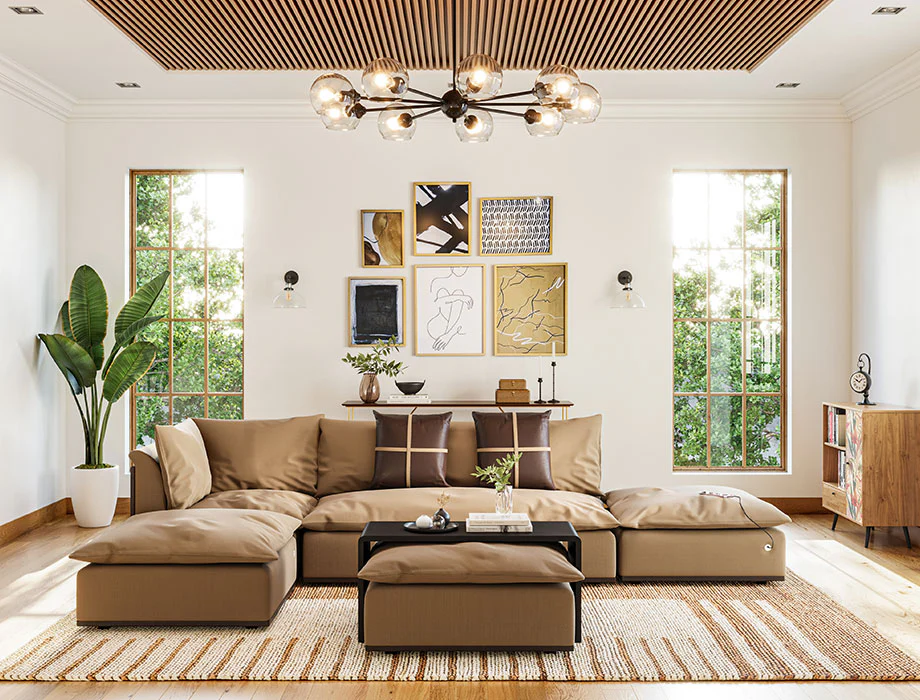

Modular sofas for small spaces are a game-changer for compact living, providing flexible furniture options that fit into tight areas. Unlike traditional sofas, which can be bulky and inflexible, modular sofas consist of separate sections that can be rearranged or added to create seating arrangements that work best for your space.
Furnishing small living spaces can be challenging. Fixed-size sofas often take up too much room, leaving little space for movement or other furniture. Awkward corners go unused, and if you can’t change the layout as your needs evolve, it can be frustrating. People living in apartments, studios, and small homes struggle to find comfortable, functional, and visually appealing solutions without sacrificing valuable floor space. Consider investing in modular sofas for flexible layouts that adapt to your space and lifestyle.
The 6 Key Features of the Best modular sofas for Small Spaces address these issues directly. This article explores how space-saving furniture can transform cramped quarters into comfortable, stylish living environments through:
- Versatility and customizable layouts that evolve with your needs
- Compact designs engineered to maximize every inch
- Multi-functional elements that serve multiple purposes
- Comfortable construction that doesn’t compromise on quality
- Adaptable aesthetics that enhance visual harmony
- Durability features ensuring long-term value
By understanding these key features, you’ll be better equipped to choose modular sofas that provide practical solutions tailored specifically for small living spaces. Instead of viewing spatial limitations as obstacles, you can see them as opportunities for creative and efficient design.
What Makes Modular Sofas Versatile and Customizable?
Versatile modular sofas consist of individual sections that can be separated, rearranged, and reconnected in multiple configurations. Each piece functions independently yet connects seamlessly with others through clips, brackets, or interlocking mechanisms that allow homeowners to transform their seating arrangement within minutes.
The modular design typically includes distinct components:
- Armless middle sections that serve as connecting pieces
- Corner units that create L-shaped or U-shaped configurations
- Chaise lounges that add extended seating or lounging space
- Ottoman modules that function as footrests, extra seating, or coffee tables
- End pieces with arms that complete the configuration
Flexible sofa configurations adapt to rooms that change purpose or layout. A studio apartment dweller might arrange modules along a wall during the week for maximum floor space, then reconfigure them into a cozy conversation pit for weekend gatherings. Renters who move frequently benefit from this adaptability since the same sofa works in a narrow hallway-style living room or a square den.
Room shape compatibility extends beyond rectangular spaces. Awkward alcoves, bay windows, and angled walls become opportunities rather than obstacles. A three-piece modular set might form a straight sofa in one apartment, an L-shape that wraps around a corner in another, and separate seating clusters in a third location.
Customizable layouts evolve with changing life circumstances. New parents can separate modules to create safer pathways around the room. Remote workers might detach a single piece to serve as office seating during the day, then reconnect it for evening relaxation. This long-term flexibility means the initial investment continues delivering value through different life stages and living situations.
The rearrangement capability also addresses seasonal needs. Summer configurations might prioritize airflow and open space, while winter setups create intimate, enclosed seating areas. Hosting overnight guests becomes simpler when modules can be quickly repositioned to accommodate a sleeper section or create additional seating capacity.
How Do Modular Sofas Optimize Space with Compact Designs?
Compact sofa design transforms small living areas by incorporating slim proportions and thoughtful dimensions that preserve precious floor space. The best space-saving furniture achieves this through narrow armrests, typically measuring 4-6 inches wide instead of the standard 8-10 inches, and shallow seat depths ranging from 30-34 inches rather than bulkier 36-40 inch alternatives.
Strategic Dimensional Features
Low-profile sofas for small rooms prioritize vertical restraint alongside horizontal efficiency. These pieces typically stand 30-32 inches tall with seat heights around 17-18 inches, creating an airy visual effect that prevents the furniture from dominating the room. The reduced visual weight allows natural light to flow more freely and makes ceilings appear higher.
Slim backrests measuring 3-4 inches thick replace traditional 6-8 inch designs without sacrificing support. This seemingly minor adjustment can reclaim 6-12 inches of usable floor space when positioned against walls, enough room for side tables, floor lamps, or improved traffic flow.
Corner and L-Shaped Configurations
Dead corner spaces become functional seating areas through strategic L-shaped arrangements. These configurations wrap around room corners, utilizing areas that typically remain empty or awkwardly furnished. A compact corner module might measure just 30×30 inches while providing comfortable seating for one person and creating natural conversation angles.
L-shaped designs excel in studio apartments and open-plan spaces by defining distinct zones without physical barriers. The perpendicular arrangement naturally separates living areas from dining or sleeping spaces while maintaining visual continuity. Corner pieces often include hidden storage compartments beneath seats, doubling their space-efficiency value.
Proportional Balance in Tight Quarters
The relationship between sofa size and room dimensions determines whether a space feels cozy or cramped. A properly scaled modular sofa occupies no more than two-thirds of the longest wall, leaving adequate clearance for movement and visual breathing room. This proportion prevents the furniture from becoming the room’s overwhelming focal point.
Clearance measurements matter significantly: maintaining 18-24 inches between the sofa and coffee table ensures comfortable leg room, while 30-36 inches
How Are Modular Sofas Multi-Functional for Small Spaces?
Multi-functional sofas transform limited square footage into versatile living areas by serving multiple purposes simultaneously. The best modular sofas for small spaces incorporate clever features that eliminate the need for separate furniture pieces, making them essential for compact homes.
Built-In Storage Solutions That Eliminate Clutter
Sofa storage compartments address one of the biggest challenges in small-space living: finding places to store belongings. Many modular designs include hidden storage under seats, within armrests, or behind backrests. These compartments provide discrete spaces for:
- Extra blankets and pillows
- Books and magazines
- Remote controls and electronics
- Seasonal items like throws or decorative cushions
Lift-top ottomans attached to modular sections create additional storage without requiring extra floor space. Some models feature drawers that slide out from beneath the seating area, offering easy access to frequently used items while maintaining a clean aesthetic.
Convertible Mechanisms for Dual-Purpose Living
Sleeper sofa options represent a game-changing feature among the 6 Key Features of the Best modular sofas for Small Spaces. These convertible designs switch between comfortable daytime seating and nighttime sleeping surfaces within minutes. Pull-out mechanisms, fold-down backs, or pop-up mattresses provide guest accommodation without dedicating an entire room to a bed.
Modern sleeper mechanisms have evolved beyond uncomfortable metal bars and thin mattresses. Quality modular sleepers now include:
- Memory foam mattresses that rival traditional beds
- Smooth-gliding mechanisms requiring minimal effort
- Integrated bedding storage within the frame
- Quick-conversion systems that take under 30 seconds
Studios and one-bedroom apartments particularly benefit from this dual functionality, as residents can maintain separate living and sleeping zones throughout the day.
Reversible and Fold-Out Features That Adapt
Reversible chaise lounges offer flexibility that static furniture cannot match. These sections attach to either end of the sofa configuration, allowing residents to adjust the layout based on room changes, new decor arrangements, or shifting traffic patterns. A chaise positioned on the left side one month can move to the right the next, accommodating new furniture additions or optimizing space flow.
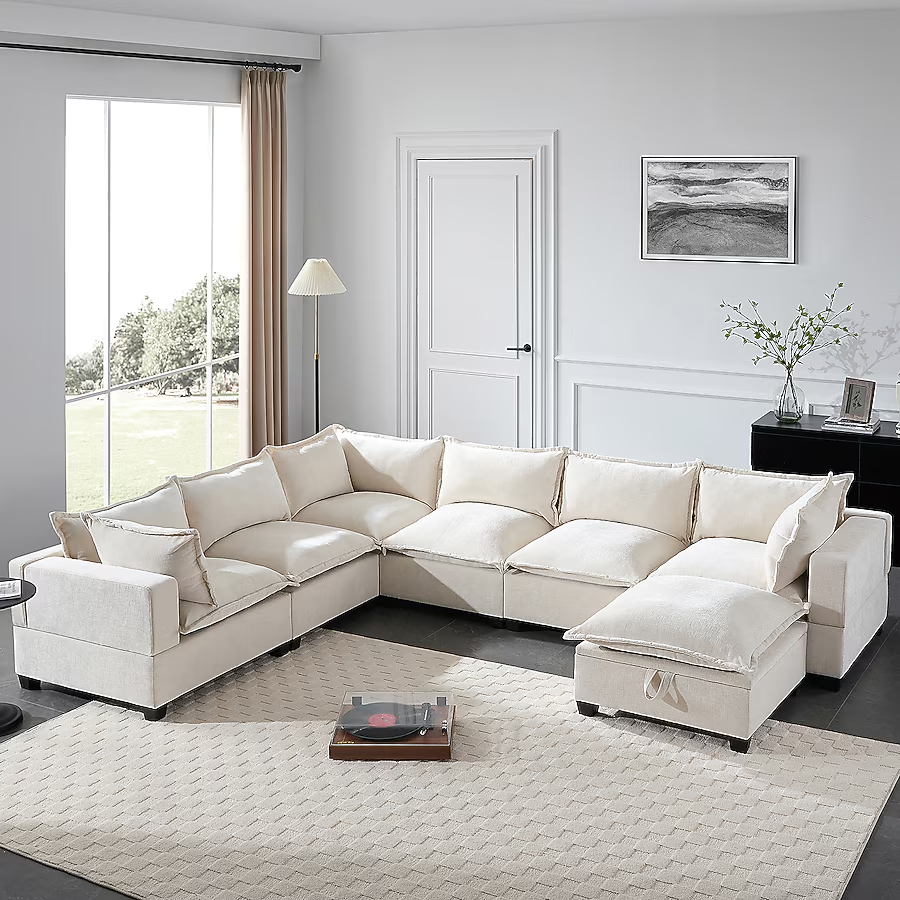
Fold-out armrests serve as additional seating surfaces when entertaining guests or lounging with family. By extending these surfaces outward, homeowners can create makeshift benches or accommodate more people without investing in extra chairs.
These adaptable features make modular sofas ideal for small spaces where versatility is key. Whether it’s accommodating different activities, adjusting layouts for gatherings, or maximizing seating capacity during parties, these designs offer solutions tailored to ever-changing needs.
Why Is Comfortable Construction Essential in Compact Modular Sofas?
Comfortable modular sofas transform small spaces into inviting retreats where you’ll actually want to spend time. Quality construction materials directly impact daily comfort, making the difference between a sofa you tolerate and one you love living with.
Premium Materials Create Lasting Comfort
High-density foam seating forms the foundation of truly comfortable compact sofas. Memory foam cushions contour to your body while maintaining their shape over years of use, preventing the sagging common in cheaper alternatives. Spring-supported seats add responsive support that adapts to different sitting positions throughout the day.
The density of foam matters significantly in small spaces where your sofa likely serves as the primary seating option. Look for foam rated at 1.8 pounds per cubic foot or higher—this ensures cushions won’t flatten after a few months of regular use. Some manufacturers layer different foam densities, placing firmer support foam beneath softer comfort layers for optimal seating experience.
Ergonomics Don’t Require Extra Square Footage
Ergonomic sofa design, which proves that compact dimensions needn’t sacrifice proper body support, is crucial in this context. Seat depths between 20-24 inches accommodate most body types without forcing you to perch uncomfortably or lose lower back contact. Backrest angles between 100-110 degrees provide natural spine alignment whether you’re sitting upright or relaxing, highlighting the importance of ergonomics in furniture design.
Armrest height plays a crucial role in compact seating comfort. Armrests positioned 24-26 inches from the floor allow your shoulders to relax naturally while providing leverage when standing. Narrow armrests in space-saving designs still deliver this support while consuming minimal width.
Strategic Cushioning Maximizes Perceived Space
Soft cushions create an inviting aesthetic that makes small rooms feel more welcoming rather than cramped. Plush seat cushions paired with supportive back cushions strike the ideal balance—you sink in slightly without feeling swallowed by oversized padding.
Removable cushion cores allow you to adjust firmness preferences over time. Some owners add extra batting for cloud-like softness, while others prefer the firmer factory fill. This flexibility extends the sofa’s comfort lifespan as your preferences evolve.
How Do Stylish and Adaptable Aesthetics Enhance Small Space Sofas?
Stylish modular sofas transform cramped quarters into visually appealing sanctuaries through intentional design choices that create the illusion of spaciousness. Clean lines and minimalist silhouettes prevent visual clutter, allowing the eye to move freely across the room without interruption. Neutral color palettes featuring shades of beige, gray, cream, and soft taupe reflect natural light more effectively than darker hues, making rooms feel airier and more expansive.
What Visual Tricks Do Clean Lines and Neutral Tones Provide?
Geometric precision in modern sofa designs creates visual order that small spaces desperately need. Straight edges and unadorned profiles eliminate the bulky appearance that ornate furniture brings to compact areas. Light-colored upholstery acts as a visual expander, bouncing ambient light throughout the room and reducing the heavy, closed-in feeling that darker furniture creates.
The psychological impact of neutral tones extends beyond mere aesthetics. Soft grays and warm beiges create a calming backdrop that allows other design elements—artwork, plants, accent pillows—to become focal points without competing for attention. This color strategy prevents the overwhelming sensation that busy patterns or bold colors can introduce to limited square footage.
How Do Removable Covers Extend Style Longevity?
Removable and washable covers address both practical maintenance needs and evolving design preferences. Spills and stains become manageable challenges rather than permanent disasters, particularly valuable in multi-purpose spaces where the sofa serves dining, working, and relaxing functions. Machine-washable slipcovers maintain the fresh appearance that keeps small spaces feeling inviting.
Style flexibility emerges as a significant advantage when covers can be swapped seasonally or when design tastes shift. A sofa purchased in neutral linen can adopt a velvet cover for winter warmth or switch to cotton for summer lightness. This adaptability eliminates the need for complete furniture replacement when aesthetic preferences change:
- Seasonal transformations through fabric swaps
- Quick refreshes for special occasions or gatherings
- Budget-friendly updates compared to buying new furniture
- Experimentation with colors without long-term commitment
What Durability and Maintenance Features Should the Best Modular Sofas Have?
Durable modular sofas built with hardwood frames and reinforced joints withstand years of daily use without sagging or structural failure. The frame serves as the skeleton of your sofa, and solid wood construction—particularly kiln-dried hardwoods like oak, maple, or beech—provides superior strength compared to particleboard or softwood alternatives. Reinforced corner blocks and double-doweled joints add stability at stress points where sections connect.
Why Frame Quality Matters in Compact Spaces
Small living areas often mean your sofa handles multiple functions throughout the day. A poorly constructed frame develops wobbles and squeaks within months, while quality construction maintains structural integrity through constant reconfiguration. Look for sofas with:
- Eight-way hand-tied springs that distribute weight evenly
- Corner blocks glued and screwed into place
- Joints secured with both glue and dowels
- Sinuous spring systems as a minimum standard for budget options
The Role of Performance Textiles
Performance textiles transform maintenance from a chore into a simple wipe-down task. These engineered fabrics resist stains, moisture, and fading while maintaining a soft feel. Crypton, Sunbrella, and similar treated materials repel spills before they penetrate fibers, giving you time to blot away accidents without permanent marks.
Easy maintenance sofas feature removable covers that unzip completely from cushions and sections. Machine-washable covers eliminate the need for professional cleaning services, saving hundreds of dollars over the sofa’s lifetime. Check whether covers can withstand frequent washing without shrinking or losing color—quality fabrics maintain their appearance through 50+ wash cycles.
Practical Cleaning Considerations
Tight-weave fabrics collect less dust and pet hair than loose weaves. Microfiber and polyester blends offer excellent durability at accessible price points, while leather alternatives provide wipeable surfaces without animal products. Dark patterns or textured fabrics disguise minor wear better than solid light colors in high-traffic households.
Removable seat and back cushions allow you to rotate them regularly, distributing wear evenly across all surfaces. This simple practice extends the life of foam cores an
Conclusion
Choosing modular sofas for small spaces requires careful planning and attention to the 6 Key Features of the Best Modular Sofas for Small Spaces outlined throughout this guide. Before making your purchase, measure your available area precisely—include doorways, hallways, and ceiling heights to ensure smooth delivery and placement.
Use painter’s tape or cardboard cutouts on your floor to visualize different configurations. This simple technique reveals how each layout affects traffic flow and functionality. Take photos from multiple angles to see how the sofa proportions work within your room’s dimensions.
When selecting your ideal piece, balance all six features rather than focusing on just one aspect. A sofa that excels in versatility but lacks durability won’t serve you well long-term. Similarly, a stylish design loses appeal if it compromises comfort or space optimization.
Prioritize these elements when evaluating options:
- Modular flexibility that adapts to your evolving needs
- Space-efficient dimensions that don’t sacrifice seating capacity
- Multi-functional features that eliminate the need for additional furniture
- Supportive cushioning with quality foam construction
- Timeless aesthetics that complement your existing décor
- Robust frames and maintenance-friendly fabrics
Compact living solutions demand furniture that works harder and smarter. The right modular sofa transforms a cramped space into a comfortable, functional environment that reflects your personal style. Invest time in research, compare specifications across brands, and read customer reviews about real-world performance.
Your small space deserves furniture designed specifically for its challenges. By focusing on these six key features, you’ll find a modular sofa that maximizes every square inch while creating a welcoming atmosphere for years to come.
See Also: Expert tips for buying leather sofas sydney locals swear by
